 ResortSlopes
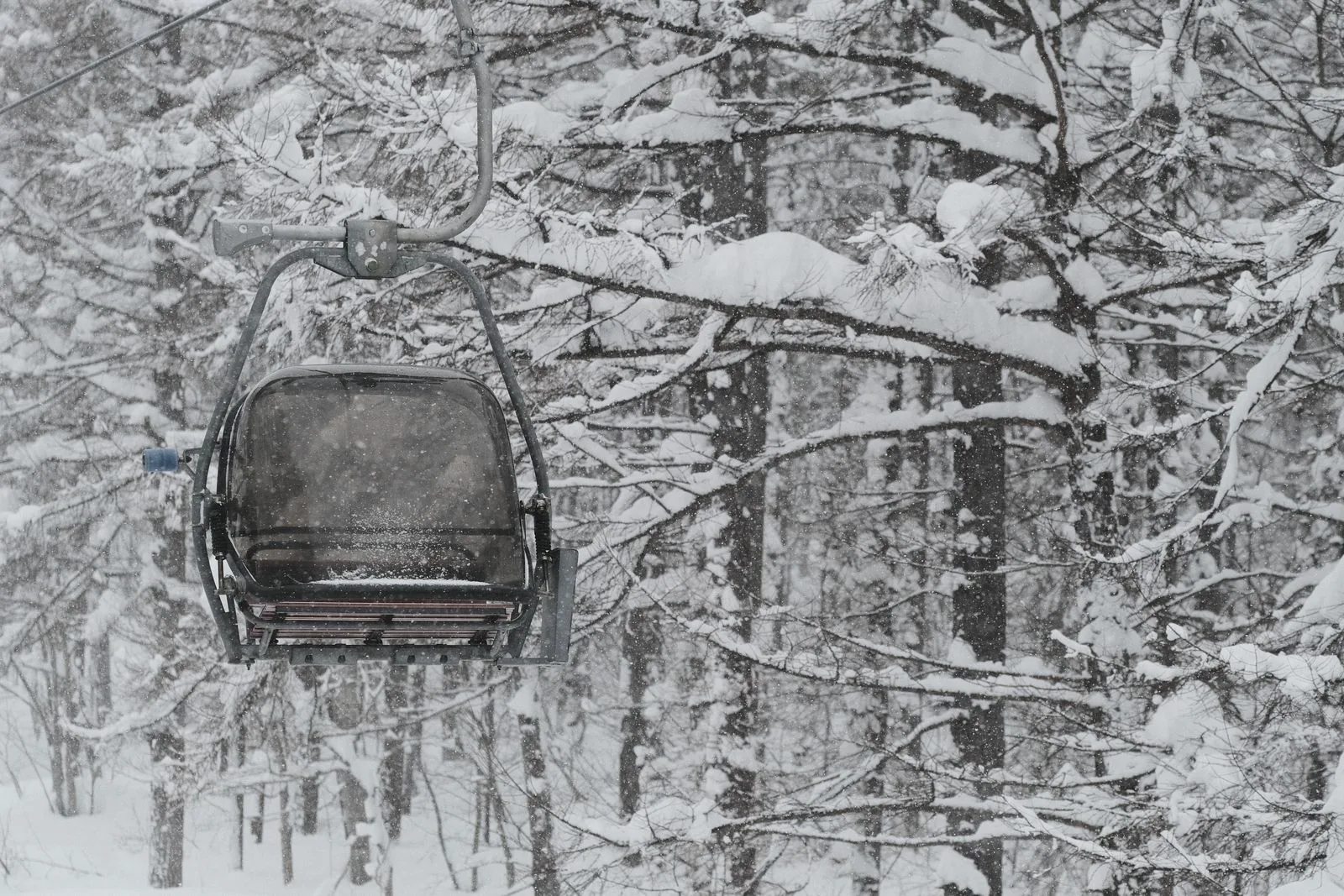
Skiing in Japan: Niseko, Hakuba, Furano and Rusutsu
Last reviewed 2 November 2026. Figures come from the operators' own pages read on that date; where an official page gives no number, we leave it out rather than guess. Season dates and passes change every winter, so confirm them on the resort sites.
Niseko United, Rusutsu and Furano are in Hokkaido, the northern island; Hakuba Valley is in Nagano prefecture on the main island, Honshu. Each is a different kind of place: Niseko is four linked ski areas on one mountain, Hakuba is ten separately run resorts sharing a pass, Rusutsu is one resort on three peaks, and Furano is one resort with two zones. Japan's official tourist board says the ski season generally runs from December to April, with the peak in January and February.
Where is each area and what do the official pages say about size?
| Area | Region | Verified facts (operator pages) |
|---|---|---|
| Niseko United | Hokkaido, about 100 km south of Sapporo | Four resorts (Annupuri, Niseko Village, Grand Hirafu, Hanazono) on one mountain, Niseko Annupuri, 1,308 m. Grand Hirafu is described as the largest of the four. |
| Hakuba Valley | North-western Nagano, Northern Japan Alps | Ten resorts; host area of the 1998 Nagano Winter Olympics; courses up to 8 km long according to the valley. |
| Rusutsu | Hokkaido, south-east of Mt Yotei | Three peaks (West Mt., East Mt., Mt. Isola); 37 named runs; 4 gondolas and 14 lifts; longest run Isola Grand, 3,500 m. |
| Furano | Central Hokkaido | Two zones (Furano and Kitanomine) joined by a trail; top 1,074 m, base 235 m; 27 numbered runs; 9 lifts plus 3 snow escalators. |
Two cautions. First, the Furano figures are from the operator, Prince Hotels; the listed runs add up to about 23.6 km, not counting a small off-piste area. Second, for Niseko, Hakuba and Rusutsu we found no official total of piste kilometres or lifts on the pages we could read, and third-party sites disagree widely, so this guide does not quote one. Use the trail map on each official site.
What does "Niseko United" actually mean?
Niseko United describes itself as "one mountain, four resorts": Annupuri, Niseko Village, Grand Hirafu and Hanazono. The All Mountain Season Pass for 2026/27 is sold at the lift ticket counters of those four resorts, and the Ikon and Mountain Collective passes are also listed on the official site. Each resort publishes its own opening dates, and in a past season (2017/18) they differed by days at opening and by weeks at closing, so a lift-linked area does not mean one shared season.
How is Hakuba Valley different?
The valley is an umbrella for ten resorts: Jigatake, Kashimayari, Sanosaka, ABLE Hakuba Goryu, Hakuba47, Happo-One, Iwatake, Tsugaike, Norikura Onsen and Cortina. The Hakuba Valley Day Pass is valid at all of them and can be used at several on the same day. It also covers the free valley shuttle bus on the days you ski, but not the night shuttle. Japan's tourist board notes that Hakuba's resorts are more spread out than Niseko's, so you will use the bus more than you would in a single base village.
How do you get there?
- Hakuba: the valley's own access page gives as little as 2 hours 50 minutes from Tokyo by Hokuriku Shinkansen plus express bus.
- Rusutsu: the resort's bus from New Chitose Airport takes about 120 minutes and must be reserved in advance.
- Niseko: the official site lists shuttle bus, car, train and bus options but, on the pages we read, no travel times. Check the "Getting to Niseko" page.
- Furano: the operator offers access guidance for public transport, car or taxi, and airport travel, but gave no times in the text we could read.
Our stored data for Hakuba mentions Matsumoto Airport and Nagano Station; we could not confirm those routes on an official page, so check before you plan around them.
What is different about skiing in Japan?
Japan's tourist board describes Niseko as the most English-friendly area in Japan, and says English lessons are widely offered but limited in peak season, so book early. It also says some childcare is often available only in Japanese. Rental shops sit at the base of the mountains or in nearby villages. Many Japanese ski towns have hot springs (onsen), and the board suggests them for relaxing after skiing. Rusutsu is described by the same board as known for its tree runs and heavy snowfall; that is the board's wording, not a measurement.
If you are used to North American signage, the US guide explains that system. We did not verify how Japanese resorts grade pistes, so read the legend on each resort's trail map; the general colour systems are covered in piste difficulty explained.
What are the safety rules for off-piste and trees?
These rules are enforced, not just advised.
- Niseko: use the gates to enter backcountry; do not duck under boundary ropes; backcountry users must wear a helmet and carry an avalanche beacon; no backcountry riding while gates are closed; elementary-age children need an adult. Rule-breakers can lose their lift pass. The page warns about trees and crevasses in bad weather, and names the Niseko Avalanche Information site as the official source. Rescue is charged to the person rescued.
- Hakuba: backcountry exits exist only at Goryu, Happo-One, Tsugaike, Norikura and Cortina; the other five resorts have no gates and prohibit backcountry access. Carry a transceiver, probe and shovel; at avalanche danger level 3, inexperienced skiers should stay inside the resort. The resorts accept no liability for backcountry accidents.
- Rusutsu: do not ski outside the resort boundaries or on closed runs; rescue costs are itemised and charged.
- Japan generally: the tourist board says off-piste is at your own risk, evacuation costs are not covered by the resort, and some resorts can confiscate your pass.
Treat tree runs inside the boundaries with the same care: patrol instructions apply, and no official page we read sets a separate tree-skiing rule.
What could we not verify?
We found no official 2026/27 opening dates for these four areas on the pages we read, so none are given. We did not use unattributed snowfall averages. Base and summit altitudes for Hakuba and Rusutsu, and base altitudes for Niseko, were not on the official pages we read, and the figures stored on our resort pages for some of these areas differ from the operator's own pages where we could compare (Furano's base is 235 m on the operator page). Operators update their counts; always rely on the current official trail map and lift status.
What the sources say
Every note below is drawn from the resort's own or an independent official publication.